What Is Chronic Condition Management (and Who It's For)
2026-09-27 · 7 min read
In this article
- 1. What chronic condition management actually is
- 2. Who a nurse practitioner is in this context
- 3. Common chronic conditions managed
- 4. Why ongoing management matters
- 5. How management fits with your other care
- 6. What a management plan typically includes
- 7. Who chronic condition management is for
- 8. What chronic condition management does not cover
- 9. How telemedicine fits into chronic management
Chronic condition management is the ongoing, supervised care of long-term health conditions like diabetes, hypertension, high cholesterol, and thyroid disorders — conditions that do not resolve in a single visit but respond well to consistent monitoring, medication adjustments, and lab reviews over time. NBH Health in Pembroke Pines offers chronic condition management for adults 18 and older, in-office, at home across Broward and Miami-Dade, and by telemedicine for Florida residents.
A chronic condition is one that lasts months or years and typically requires ongoing attention rather than a one-time fix. The goal of management is not to cure in a single appointment but to keep the condition controlled, prevent complications, and help you feel your best day to day. That requires a provider who knows your history, tracks your labs over time, and adjusts your plan as your body changes.
What chronic condition management actually is
Chronic condition management is a structured, ongoing relationship between you and a licensed provider in which your long-term health condition is monitored, treated, and adjusted over months and years. It includes regular follow-up visits, periodic lab testing, medication management, and lifestyle guidance — all coordinated by one clinician who knows your full picture.
This is different from urgent care, which addresses an acute issue and moves on, and different from a one-time screening, which tells you where you stand today but does not track change over time. Management means someone is watching the trend, not just the snapshot.
Who a nurse practitioner is in this context
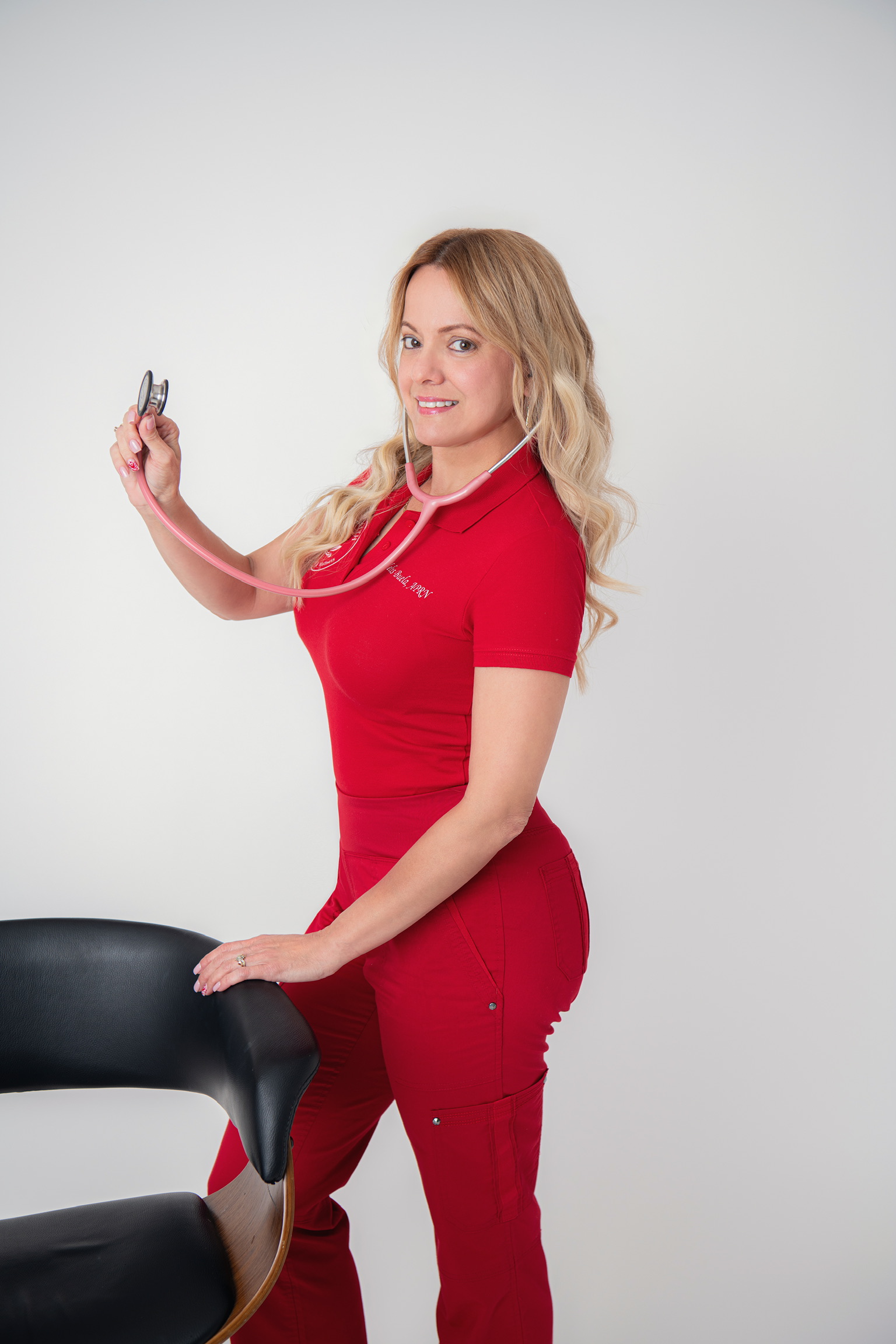
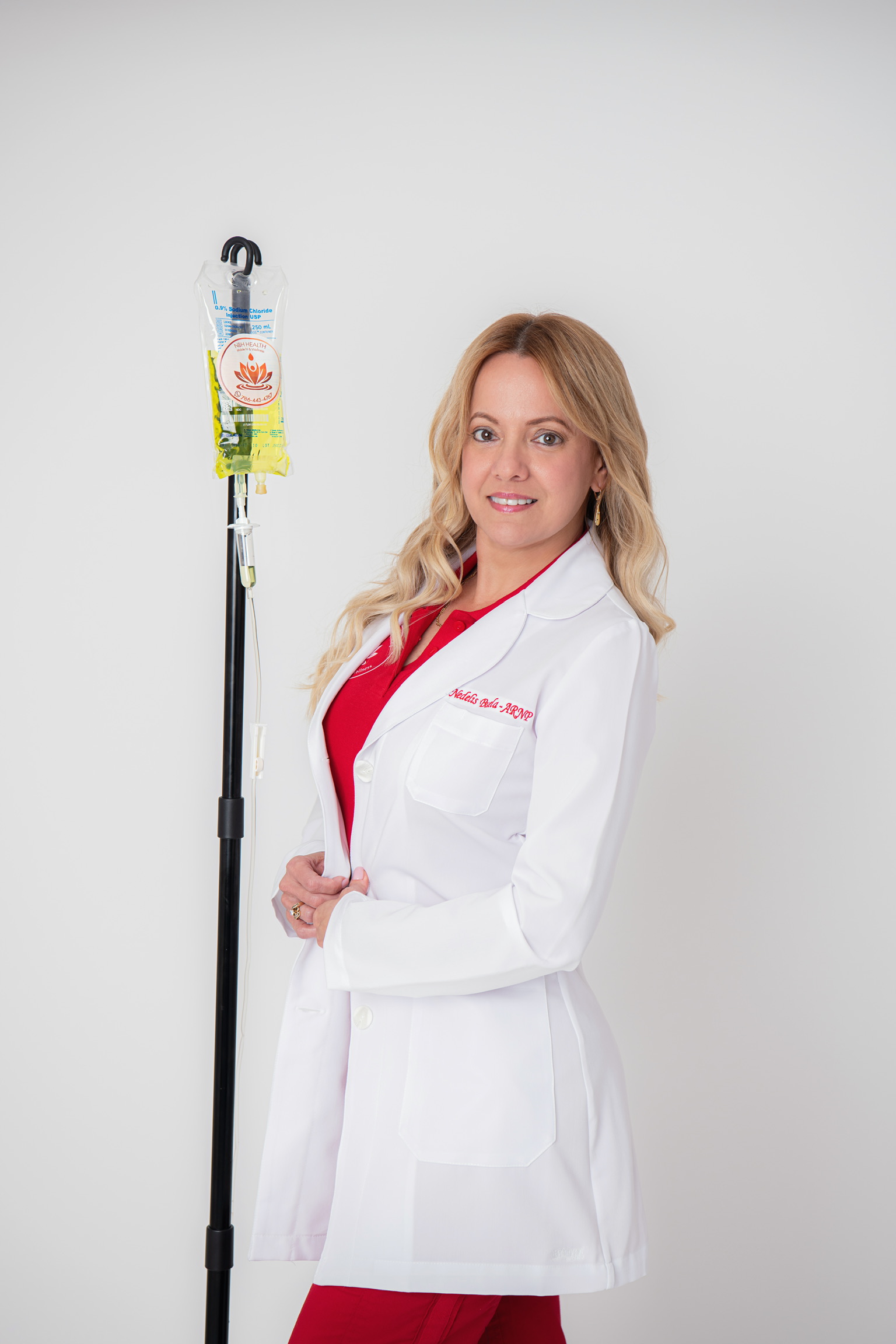
At NBH Health, your provider is Nedelis Buela, APRN, AGNP — an Adult-Gerontology Nurse Practitioner whose training focuses on adults 18 and older. Within the scope of Florida law, she evaluates chronic conditions, orders and interprets labs, prescribes and adjusts medications, and coordinates referrals to specialists when a condition requires care outside her scope.
She is not a specialist in every organ system — for example, complex endocrine cases may involve an endocrinologist, and advanced cardiac disease may involve a cardiologist. But she serves as your primary manager, the clinician who holds the whole picture together and coordinates the specialists rather than sending you to navigate them alone.
Common chronic conditions managed
Chronic conditions commonly managed in a primary care setting include:
- Type 2 diabetes, including blood sugar monitoring, medication management, and lab reviews.
- Hypertension (high blood pressure), including medication adjustments and home-reading tracking.
- High cholesterol, including lipid panel reviews and medication decisions.
- Thyroid disorders, including medication titration based on lab results.
- Asthma and COPD management for stable, non-acute cases.
- Chronic conditions that benefit from ongoing medication refills and monitoring.
Each condition has its own monitoring schedule, lab cadence, and medication considerations. Your provider builds that schedule into your plan rather than leaving you to guess when to come back.
Why ongoing management matters
A chronic condition is not static. Blood pressure that was controlled last year may creep up. A thyroid dose that was right six months ago may need adjustment. A1C that was improving may stall. Without someone tracking those changes, a small drift can become a significant problem before you feel it — because many chronic conditions are silent until they are advanced.
Ongoing management means your provider catches those trends early. A lab result that shifts slightly gets a conversation, not a crisis. A medication that stops working as well gets adjusted before symptoms return. That proactive approach is the core difference between managing a condition and merely reacting to it.
How management fits with your other care
One advantage of a nurse-practitioner-led practice is that your chronic condition care does not live in isolation. The same provider who manages your diabetes can also guide a medical weight-loss plan that directly affects your blood sugar, order the labs that inform both, and screen for related conditions like high blood pressure. That integration matters because chronic conditions are often connected — diabetes, hypertension, and high cholesterol frequently travel together, and addressing one without the others misses the full picture.
What a management plan typically includes
A chronic condition management plan is built around your specific condition, history, and goals, but commonly includes:
- A schedule of follow-up visits — every few months for most chronic conditions, more often after a medication change.
- Periodic lab testing tied to your condition — A1C and lipid panels for diabetes, TSH for thyroid, and so on.
- Medication management, including prescriptions, refills, and dose adjustments based on labs and symptoms.
- Lifestyle guidance relevant to your condition — nutrition, movement, sleep, and habits that affect your numbers.
- Coordination with specialists when a condition requires care beyond primary care scope.
Who chronic condition management is for
Chronic condition management tends to fit adults who:
- Have been diagnosed with a chronic condition and want a regular provider to manage it.
- Have a condition that was stable but has shifted and needs re-evaluation.
- Are between specialists and need someone to hold their care together in the meantime.
- Want their chronic condition care coordinated with wellness, weight loss, or other services.
- Prefer a provider they can message between visits rather than waiting for the next appointment.
What chronic condition management does not cover
NBH Health is not an emergency room, hospital, or specialist clinic. It does not manage acute cardiac events, diabetic emergencies, or any situation requiring emergency care — those belong to 911 or the nearest ER. It also does not replace a specialist when your condition requires one; your provider coordinates referrals and stays in communication with your specialists, but she does not perform specialist-level procedures or manage conditions that are outside primary care scope.
For emergencies — chest pain, severe shortness of breath, signs of a stroke, dangerously high or low blood sugar — call 911 or go to the nearest emergency room. Chronic condition management is for the ongoing, day-to-day care that, handled well, helps keep you out of the emergency room.
How telemedicine fits into chronic management
Telemedicine is a natural fit for chronic condition management because much of the work is conversation — reviewing lab results, discussing symptoms, adjusting medications, and planning next steps. For Florida residents, many follow-up visits can be handled by secure video, so you do not have to drive to the office every time your provider wants to check in.
What telemedicine cannot replace is a lab draw that needs to happen on a schedule, or an exam that requires physical contact. Your provider tells you when a video visit is appropriate and when you should come in or have labs drawn, including through at-home phlebotomy across Broward and Miami-Dade.
If you are living with a chronic condition and want a provider who monitors it with you over time, NBH Health offers chronic condition management in Pembroke Pines, with at-home visits across Broward and Miami-Dade and telemedicine for Florida residents. Request a consultation online or call / WhatsApp (786) 443-4767. Beyond the Health.
Frequently Asked Questions
What chronic conditions do you manage?
Common chronic conditions managed include type 2 diabetes, hypertension, high cholesterol, thyroid disorders, and stable asthma or COPD. Your provider evaluates whether your condition is appropriate for primary care management or requires a specialist referral.
How often will I need follow-up visits?
Most chronic conditions are reviewed every few months, with more frequent visits after a medication change or lab result that needs attention. Your provider builds a follow-up schedule into your plan based on your condition and how stable it is.
Can my follow-up be by telemedicine?
Yes, for many follow-ups — lab reviews, medication adjustments, symptom check-ins. Some visits require in-person labs or an exam. Your provider tells you when a video visit is appropriate and when you should come in.
Do I need to bring my home blood pressure readings?
Yes, if you track them. Home readings taken consistently at the same time of day are more useful than a single in-office reading. Bring your log or share it during your visit so your provider can see the trend.
Will you coordinate with my specialist?
Yes. If your condition requires a specialist — an endocrinologist, cardiologist, or others — your provider refers you and stays in communication with them so your care stays connected rather than fragmented.
Can I message my provider between visits?
Yes. Patients have direct access to Nedelis Buela, APRN, AGNP, for follow-up questions between visits — about a medication, a symptom, or a lab result — rather than waiting for the next appointment.
NBH Health
Pembroke Pines · Broward & Miami-Dade · Telemedicine

Nedelis
Nedelis Buela, APRN, AGNP
Adult-Gerontology Nurse Practitioner · NBH Health