Your First Chronic Care Visit: What to Expect and How to Prepare
2026-09-29 · 7 min read
In this article
- 1. How to prepare for your first visit
- 2. What happens during the visit
- 3. How the management plan is built
- 4. How long a visit generally takes
- 5. What to expect after the visit
- 6. How follow-ups and ongoing care work
- 7. What happens between visits
- 8. How to make the most of your management visits
- 9. When to schedule a follow-up vs. when to wait
Your first chronic condition management visit is a focused conversation with a licensed nurse practitioner who reviews your history, your current condition, your medications, and your recent labs — then builds a management plan with you, with the cost quoted before anything beyond the booked visit happens. At NBH Health in Pembroke Pines, a first visit typically covers your health history, your condition's timeline, your current treatment, and a decision about labs, medication adjustments, or a follow-up schedule. Visits are available in-home, at home across Broward and Miami-Dade, or by telemedicine for Florida residents.
Knowing what to bring and what to expect makes the visit more useful and helps your provider give you better recommendations. Here is how to prepare and what happens step by step.
How to prepare for your first visit
A little preparation goes a long way. Before your appointment, gather the following:
- A list of your current medications, including doses, frequencies, and when you started each one.
- Any recent lab results — especially those tied to your condition, like A1C, lipid panels, or TSH.
- Your home blood pressure readings if you track them, with dates and times.
- A brief timeline of your condition — when it was diagnosed, what treatments you have tried, and what has changed.
- The names of any specialists you see and what they are treating.
- Questions you want to ask — write them down so you do not forget.
If your visit includes labs that require fasting, the practice tells you when you book. For a general first visit, no fasting is usually needed. If you are not sure, ask when you schedule.
What happens during the visit
The visit itself is unhurried. Your provider, Nedelis Buela, APRN, AGNP, starts by reviewing your history and listening to how your condition has been affecting you. She asks follow-up questions, does any exam that is relevant, and talks through what she is finding as she goes.
Unlike a rushed clinic visit, the goal is a real conversation. If labs would help clarify where your condition stands, she explains which ones and why. If a medication adjustment makes sense, she discusses it with you. If your condition is better handled with a specialist, she says so and helps with the referral. You are part of the decision, not just the recipient of it.
How the management plan is built
Your management plan is built around your specific condition, history, and goals. It typically includes:
- A follow-up schedule — how often you should return, based on how stable your condition is.
- A lab schedule — which tests to repeat and when, tied to your condition.
- Medication decisions — whether to continue, adjust, or change anything, based on your labs and symptoms.
- Lifestyle guidance — nutrition, movement, and habits that directly affect your condition.
- Specialist coordination — referrals when needed, with your provider staying in communication.
You receive a personalized quote for anything beyond the booked visit before it happens. There is no obligation to proceed with labs or follow-ups you did not agree to.
How long a visit generally takes
Plan for enough time to actually talk. A first visit or comprehensive evaluation generally runs longer than a quick follow-up, because your provider is building a picture of your condition over time, not just addressing one symptom. You will not be rushed out, but you also will not be kept longer than needed. Exact timing depends on your condition and whether labs or an exam are involved.
What to expect after the visit
After your first visit, the ongoing relationship is what makes chronic condition management different from episodic care. Your provider remembers your history, tracks your labs over time, and adjusts your plan as your condition changes. When you message with a question between visits, she already has context — she does not start from scratch each time.
For chronic conditions, that continuity is especially valuable. Diabetes, hypertension, and high cholesterol all benefit from consistent monitoring and small, timely adjustments rather than sporadic crisis visits. Your provider builds a follow-up schedule into your plan, reviews every lab result with you in plain language, and stays reachable when something changes.
How follow-ups and ongoing care work
Chronic condition management is not a one-time event. After your first visit, your provider schedules follow-ups — to review labs, check on a medication, or adjust your plan. Many follow-ups can be done by telemedicine, so you do not have to drive to the office for a quick check-in.
For labs, at-home phlebotomy is available across Broward and Miami-Dade, so you can have blood drawn without coming to the office. Your provider reviews the results with you, explains what they mean in plain language, and adjusts your plan based on the trend — not just the latest number.
What happens between visits
Because patients have direct access to their provider, you can message Nedelis between visits for follow-up questions — about a medication, a symptom, or a lab result — rather than waiting for the next appointment. If you notice a change in how you feel, or if a home blood pressure reading seems off, you can reach out directly.
For matters that are not emergencies but cannot wait — a worsening symptom, a medication side effect — reach out directly. Your provider can tell you whether a telemedicine visit, an in-office visit, or a trip to urgent care or the emergency room is the right next step. For true emergencies, always call 911 first.
How to make the most of your management visits
A few habits help you get more from each visit. Write down your questions beforehand, in order of priority. Bring your home readings — blood pressure logs, blood sugar readings, or symptom notes — because real data is more useful than a general impression. Be honest about your habits, including sleep, diet, and whether you have been taking your medications consistently, because that context shapes recommendations.
After the visit, take a moment to note any next steps — labs to schedule, medications to adjust, follow-ups to book — while they are fresh. If you think of a question later, message your provider rather than letting it pile up.
When to schedule a follow-up vs. when to wait
Not every change needs a visit, and part of good management is helping you tell the difference. Your provider recommends a follow-up schedule based on your condition — for a stable chronic condition, that might be every few months with labs; after a medication change, a sooner check-in to confirm it is working.
Between those scheduled visits, reach out if something changes — a new symptom, a medication side effect, a home reading that seems off. You do not need to wait for your next appointment if a concern arises.
If you are living with a chronic condition and want a provider who monitors it with you over time, NBH Health offers chronic condition management in Pembroke Pines, with at-home visits across Broward and Miami-Dade and telemedicine for Florida residents. Request a consultation online or call / WhatsApp (786) 443-4767. Beyond the Health.
Frequently Asked Questions
What should I bring to my first visit?
A list of your current medications with doses, any recent lab results tied to your condition, your home blood pressure or blood sugar readings if you track them, a brief timeline of your condition, and any questions you want to ask. If fasting is needed for labs, the practice tells you when you book.
How often will I need to come back?
Most stable chronic conditions are reviewed every few months, with sooner follow-ups after a medication change or a lab result that needs attention. Your provider builds a follow-up schedule into your plan based on your condition.
Can my follow-up be by telemedicine?
Yes, for many follow-ups — lab reviews, medication adjustments, symptom check-ins. Some visits require in-person labs or an exam. At-home phlebotomy is also available across Broward and Miami-Dade for lab draws.
Can I message my provider between visits?
Yes. Patients have direct access to Nedelis Buela, APRN, AGNP, for follow-up questions between visits. If you notice a change in how you feel or a home reading seems off, reach out rather than waiting for your next appointment.
Will my medications be adjusted at the first visit?
Possibly, if your labs or symptoms suggest an adjustment is appropriate. Your provider discusses any medication change with you before making it, explains why, and schedules a follow-up to confirm it is working.
Is care available in Spanish?
Yes. NBH Health is fully bilingual. You can have your visit in English or Spanish, whichever you are more comfortable with.
NBH Health
Pembroke Pines · Broward & Miami-Dade · Telemedicine
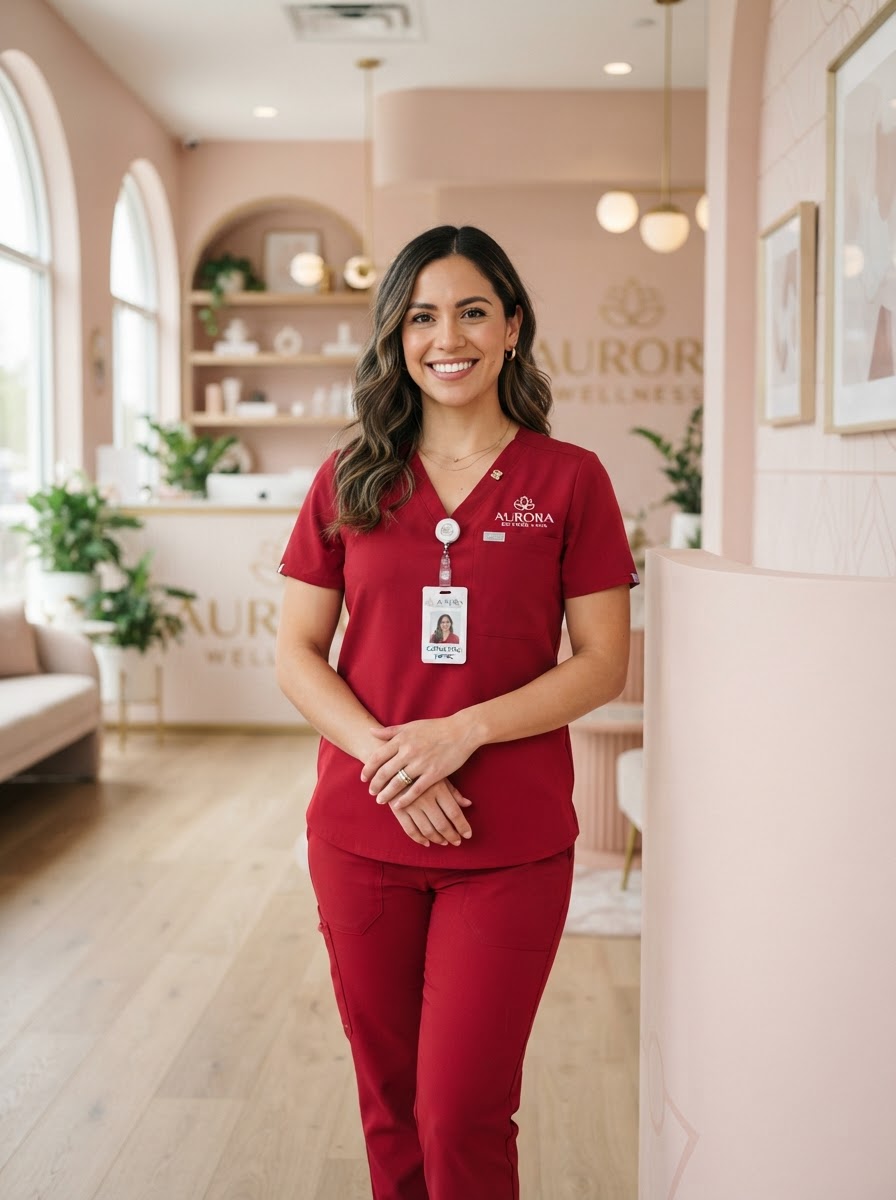
Nedelis
Nedelis Buela, APRN, AGNP
Adult-Gerontology Nurse Practitioner · NBH Health