What Is an Acute Sick Visit (and When to Use One)
2026-09-30 · 7 min read
In this article
- 1. What an acute sick visit actually is
- 2. Who a nurse practitioner is in this context
- 3. Common concerns an acute visit covers
- 4. Why a same-day visit matters
- 5. How acute visits fit with your ongoing care
- 6. What an acute visit typically includes
- 7. Who acute visits are for
- 8. What acute visits do not cover
- 9. How telemedicine fits into acute care
An acute sick visit is a same-day or prompt appointment for a new, time-sensitive health concern — a cold, a sinus infection, a urinary tract infection, a rash, a minor injury, or a sudden symptom that needs evaluation but is not an emergency. NBH Health in Pembroke Pines offers acute and same-day sick visits for adults 18 and older, in-office, at home across Broward and Miami-Dade, and by telemedicine for Florida residents.
Acute means the concern is new and time-limited — it started recently and needs attention soon, but it is not the kind of ongoing, long-term condition that chronic care manages. The goal of an acute visit is to evaluate what is going on, determine whether treatment is needed, and get you back to feeling well as quickly as possible.
What an acute sick visit actually is
An acute sick visit is a focused appointment in which a licensed provider evaluates a new health concern, makes a diagnosis when possible, and recommends treatment — which may include a prescription, over-the-counter guidance, a lab test, or simply reassurance and a follow-up plan. The visit is built around the specific concern you came in for, not a full annual physical.
This is different from chronic condition management, which addresses long-term conditions over time, and different from a physical exam, which is preventive and routine. An acute visit is reactive — something happened, and you want it addressed now.
Who a nurse practitioner is in this context
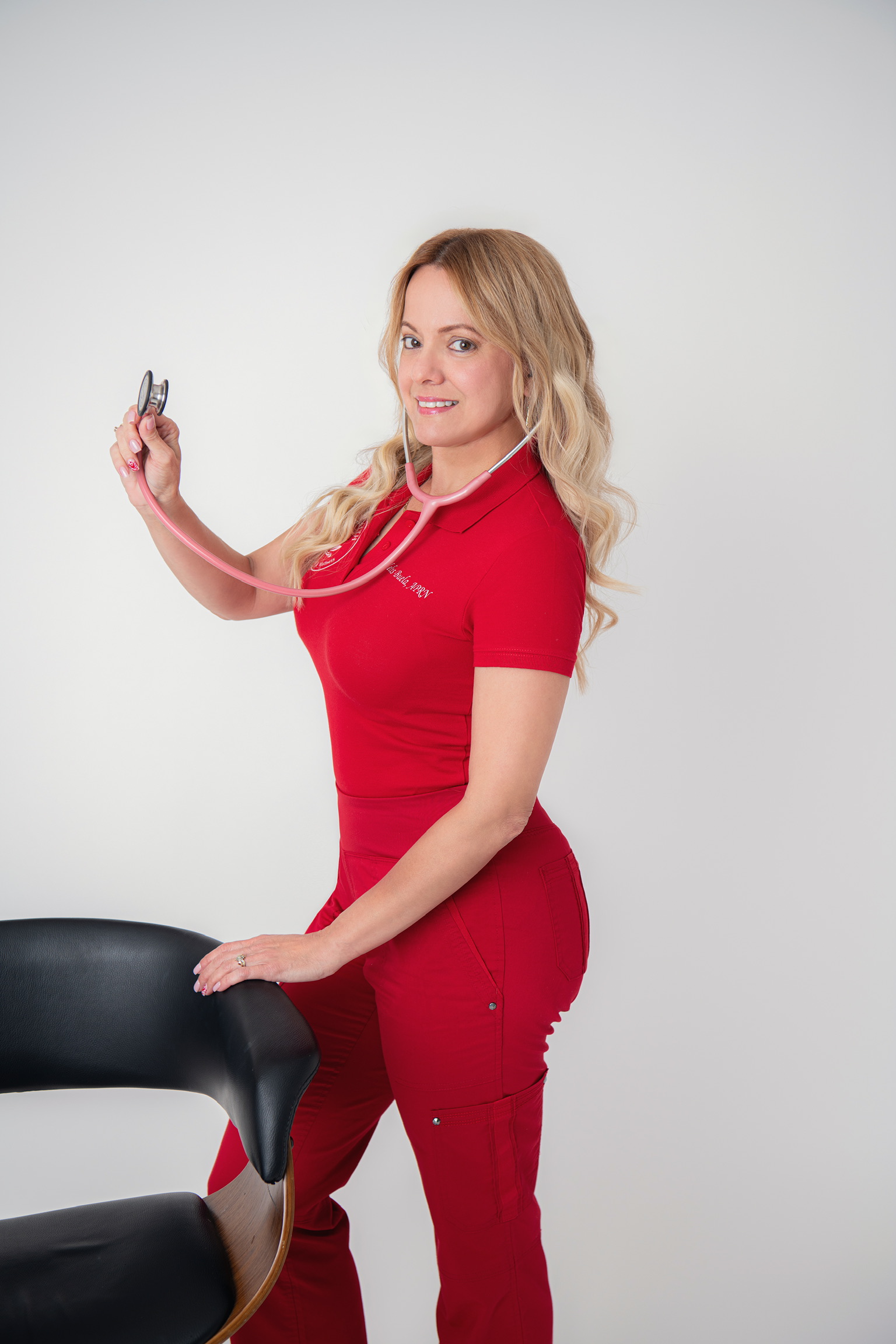
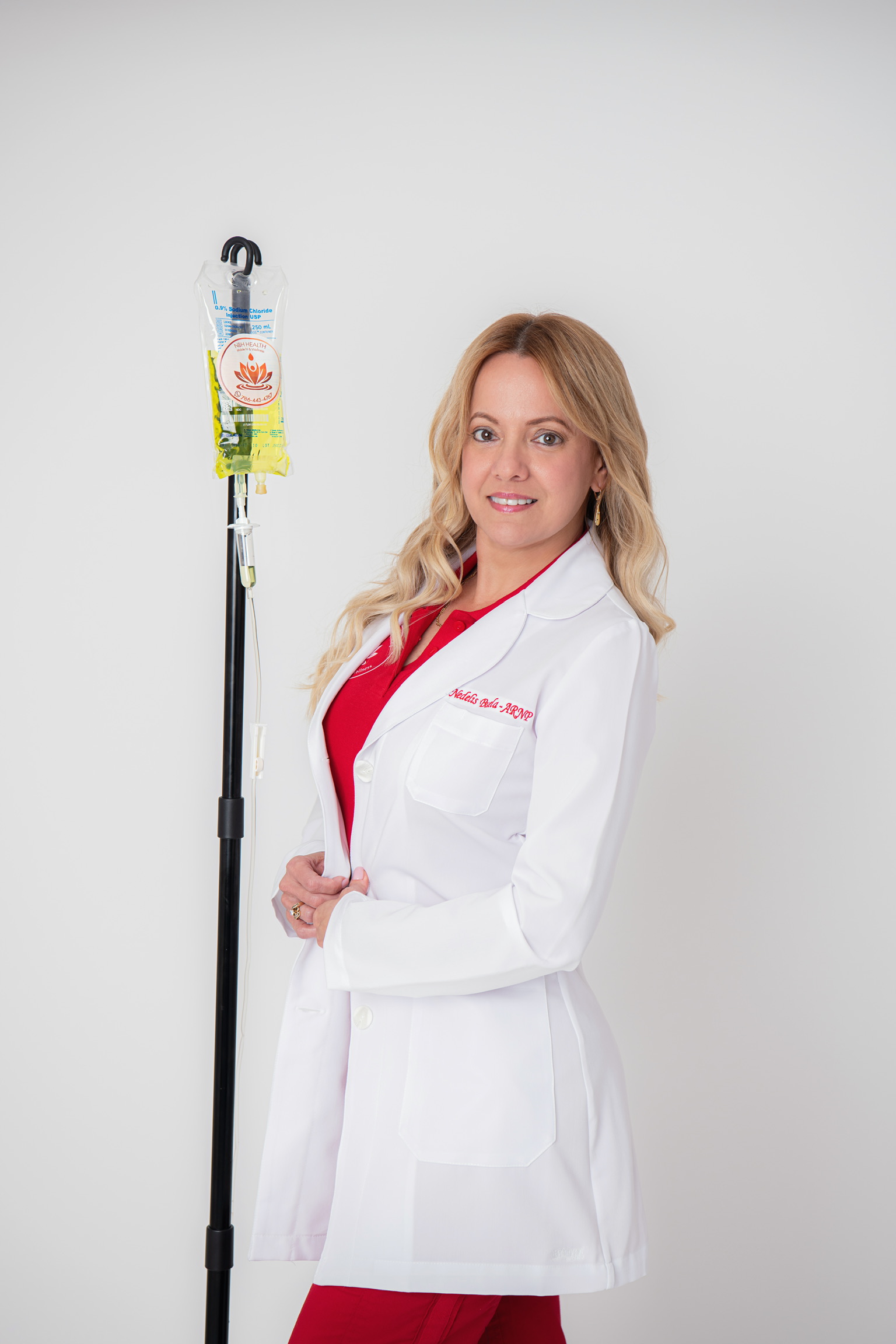
At NBH Health, your provider is Nedelis Buela, APRN, AGNP — an Adult-Gerontology Nurse Practitioner whose training focuses on adults 18 and older. Within the scope of Florida law, she evaluates acute concerns, orders and interprets point-of-care tests, diagnoses common acute conditions, prescribes appropriate medications, and determines whether a concern needs a higher level of care than primary care can provide.
She is not an emergency physician and the practice is not an emergency room. For true emergencies — chest pain, difficulty breathing, signs of a stroke, severe bleeding — she directs you to call 911 or go to the nearest ER. For everything in between, from a stubborn sinus infection to a concerning rash, an acute visit is often the right first step.
Common concerns an acute visit covers
Acute visits commonly address:
- Upper respiratory infections — colds, sinus infections, sore throats, and coughs.
- Urinary tract infections and related concerns.
- Skin concerns — rashes, minor allergic reactions, insect bites, and mild infections.
- Minor injuries — sprains, strains, and minor cuts that do not require an ER.
- Gastrointestinal issues — nausea, vomiting, diarrhea, and stomach pain.
- Ear infections and eye concerns like pink eye.
- Medication side effects or questions about a new symptom.
Each concern has its own evaluation, and your provider determines whether a test, a prescription, or a referral is appropriate based on what she finds.
Why a same-day visit matters
When you feel unwell, waiting a week or two for an appointment often means either suffering through it or ending up at urgent care or the ER — both of which can be more expensive and less personal. A same-day or prompt acute visit means you are seen while the concern is still acute and treatable, often before it worsens.
For adults who have an established relationship with a primary care provider, an acute visit also means seeing someone who already knows your history — your medications, your allergies, your baseline — rather than explaining it all to a stranger at an urgent care clinic.
How acute visits fit with your ongoing care
One advantage of a nurse-practitioner-led practice is that an acute visit does not happen in isolation. If you come in for a sinus infection and your provider notices your blood pressure is elevated, she can address both. If a sick visit reveals something that needs follow-up — a lab result, a recurring pattern — she builds that into your ongoing care rather than handing you a discharge paper and sending you on your way.
That connection between acute and ongoing care is something urgent care, built for one issue at a time, rarely offers.
What an acute visit typically includes
An acute visit is built around your specific concern, but commonly includes:
- A focused evaluation of your current symptom — when it started, what it feels like, what you have tried.
- A relevant exam — listening to your lungs, looking in your ears and throat, examining a rash.
- Point-of-care testing when appropriate — a rapid strep test, a urinalysis, or other quick tests.
- A diagnosis when possible, or a plan to get more information through labs.
- Treatment — a prescription, over-the-counter guidance, or a follow-up plan.
- Clear guidance on what to watch for and when to return.
Who acute visits are for
Acute sick visits tend to fit adults who:
- Have a new, time-sensitive concern that is not an emergency.
- Want to be seen quickly rather than waiting days for an appointment.
- Prefer to see their own provider rather than a stranger at urgent care.
- Have a concern that may need a prescription or a quick test.
- Want guidance on whether their symptom is minor or something that needs more attention.
What acute visits do not cover
NBH Health is not an emergency room, hospital, or urgent care for life-threatening issues. An acute visit is not the right choice for chest pain, difficulty breathing, signs of a stroke, severe bleeding, a major injury, or any situation where delay could be dangerous. Those belong to 911 or the nearest ER.
It is also not a substitute for chronic condition management. If you have an acute flare of a chronic condition — a sudden spike in blood pressure, a diabetes-related concern — your provider can often help, but the ongoing management of that condition is a separate, ongoing relationship.
How telemedicine fits into acute care
Telemedicine is a natural fit for many acute concerns because much of the evaluation is conversation — describing your symptoms, when they started, what you have tried. For Florida residents, many acute visits can be handled by secure video, especially when a prescription is the likely outcome and a physical exam is not essential.
What telemedicine cannot do is listen to your lungs, look in your ears, or examine a rash up close. Your provider tells you when a video visit is appropriate and when you should come in. For some concerns, she may start with a telemedicine visit and bring you in if the exam changes the plan.
If you feel unwell and want to be seen quickly by a provider who knows you, NBH Health offers same-day and acute sick visits in Pembroke Pines, with at-home visits across Broward and Miami-Dade and telemedicine for Florida residents. Request a visit online or call / WhatsApp (786) 443-4767. Beyond the Health.
Frequently Asked Questions
What can I be seen for in an acute visit?
Common acute concerns include colds, sinus infections, sore throats, UTIs, rashes, minor injuries, stomach issues, ear and eye infections, and medication side effects. Anything requiring emergency care should go to 911 or the nearest ER.
Can I really be seen the same day?
NBH Health offers same-day and prompt acute visits when slots are available, often same-day for acute needs. Reach out by phone or WhatsApp to check availability, and your provider will see you as quickly as she can.
Can my acute visit be by telemedicine?
For many acute concerns, yes — especially when a prescription is the likely outcome and a physical exam is not essential. Some concerns need an in-person exam. Your provider tells you when a video visit is appropriate.
Will I get a prescription if I need one?
If your provider determines a prescription is appropriate, she sends it electronically to the pharmacy of your choice in Florida. She only prescribes when medically indicated — not every acute concern needs medication.
Is an acute visit different from urgent care?
Yes. An acute visit with your own provider means someone who knows your history, medications, and baseline — rather than a stranger at an urgent care clinic. It also connects to your ongoing care rather than being a one-off visit.
When should I go to the ER instead?
For chest pain, difficulty breathing, signs of a stroke, severe bleeding, major injuries, or any situation where delay could be dangerous, call 911 or go to the nearest emergency room. Do not wait for an acute visit for true emergencies.
NBH Health
Pembroke Pines · Broward & Miami-Dade · Telemedicine
Nedelis
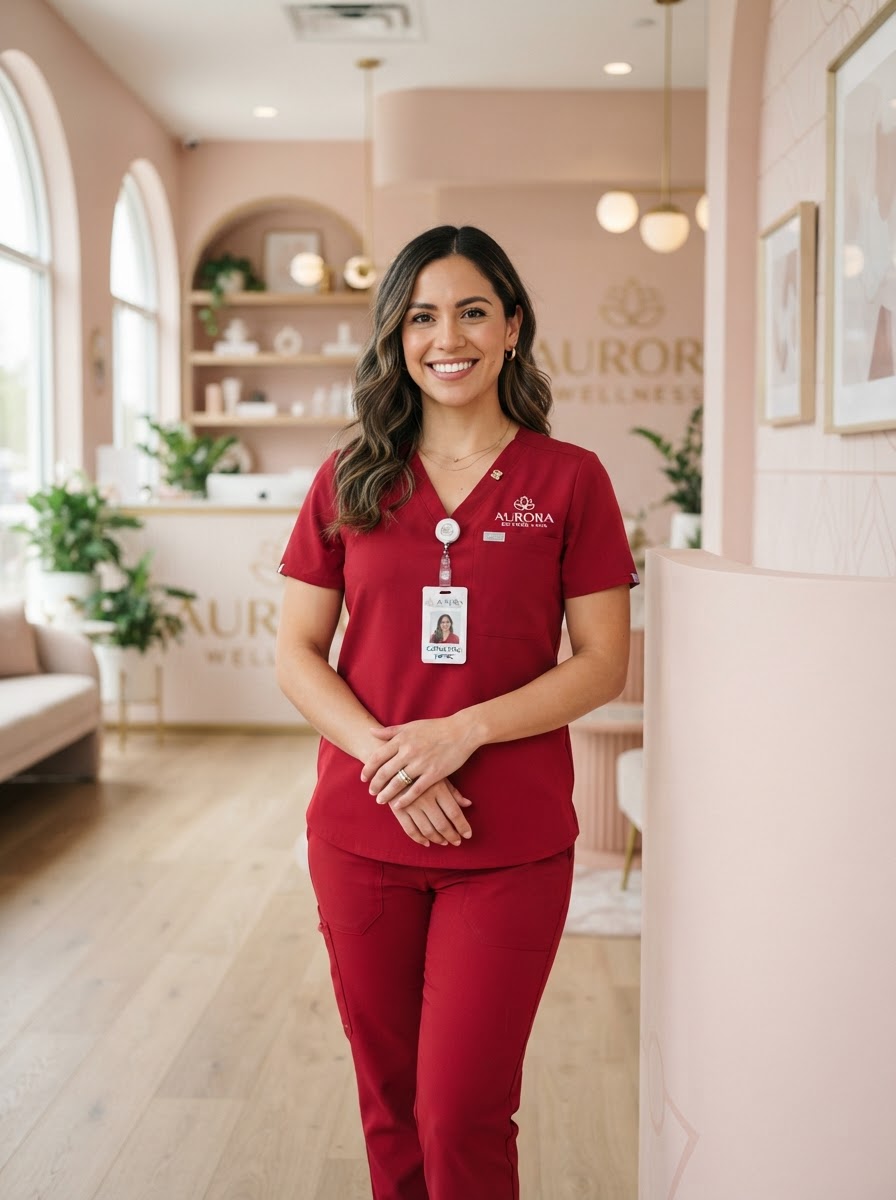
Nedelis Buela, APRN, AGNP
Adult-Gerontology Nurse Practitioner · NBH Health