Your First Acute Visit: What to Expect and How to Prepare
2026-10-02 · 7 min read
In this article
- 1. How to prepare for an acute visit
- 2. What happens during the visit
- 3. What testing may be involved
- 4. How long an acute visit takes
- 5. What to expect after the visit
- 6. How follow-ups work for acute concerns
- 7. What happens if your concern is more serious than expected
- 8. How to make the most of an acute visit
- 9. When to return or reach out after an acute visit
Your first acute sick visit is a focused conversation and exam with a licensed nurse practitioner who evaluates your current concern, determines what is going on, and recommends treatment — with the cost quoted before anything beyond the booked visit happens. At NBH Health in Pembroke Pines, an acute visit typically covers your symptom, when it started, what you have tried, a relevant exam, and a decision about testing, a prescription, or a follow-up. Visits are available in-office, at home across Broward and Miami-Dade, or by telemedicine for Florida residents.
Knowing what to share and what to expect makes the visit more useful and helps your provider give you better care. Here is how to prepare and what happens step by step.
How to prepare for an acute visit
An acute visit does not require much preparation, but a few things help:
- A brief note of your main symptom, when it started, and what it feels like.
- What you have tried so far — over-the-counter medications, home remedies, rest.
- Your temperature if you have a fever, and any other readings you have taken.
- A list of your current medications and any allergies.
- Your pharmacy name and location, in case a prescription is needed.
- Whether you have had this concern before and, if so, when.
If your visit includes a test that requires preparation — a urinalysis, for example — the practice tells you when you book. For most acute visits, no special preparation is needed.
What happens during the visit
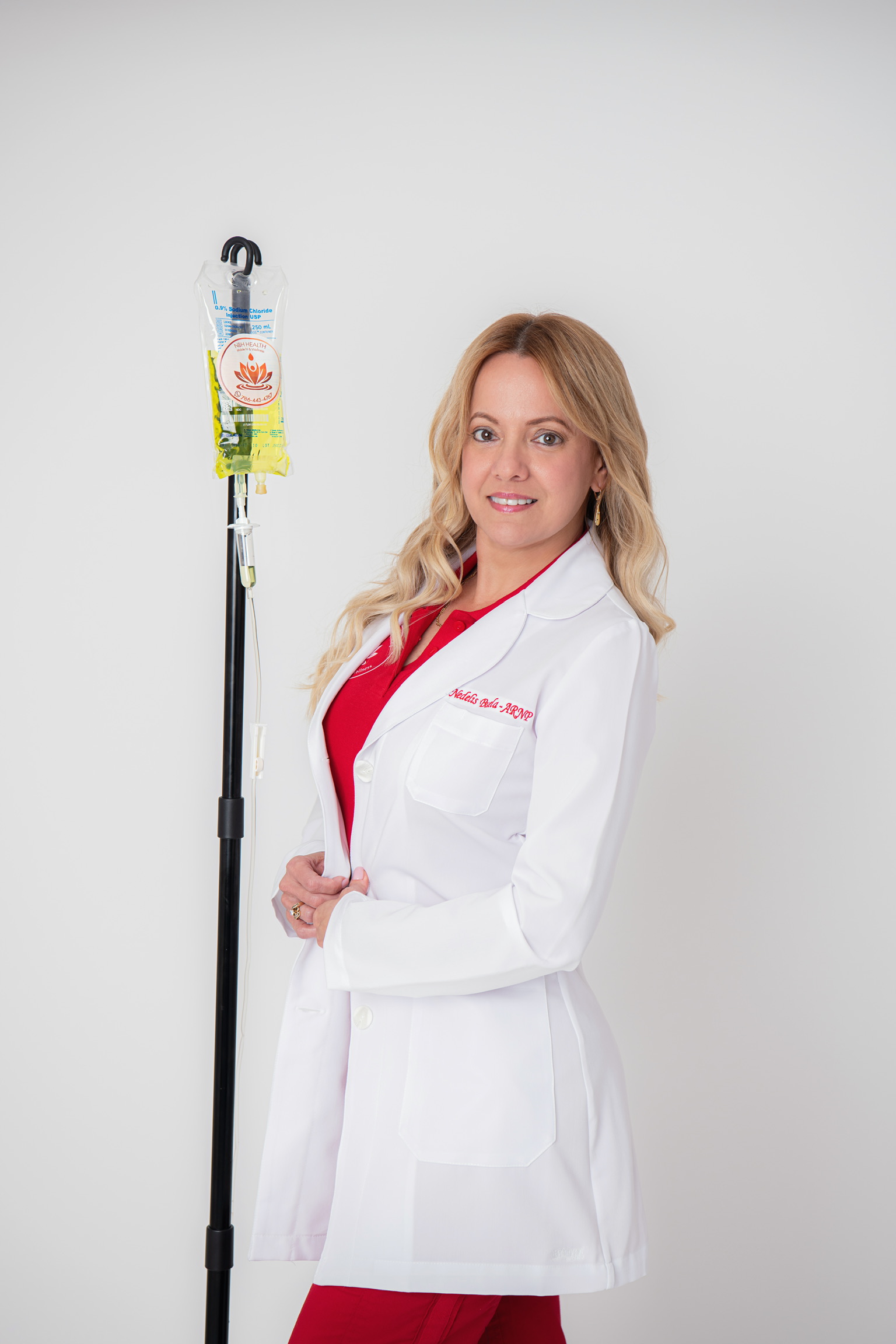
The visit itself is focused and efficient. Your provider, Nedelis Buela, APRN, AGNP, starts by listening to your symptom and asking follow-up questions — when it started, what makes it better or worse, whether you have had it before. She does a relevant exam — listening to your lungs, looking in your ears and throat, examining a rash, checking your vitals.
Unlike a rushed urgent care visit, the goal is a real evaluation, not a checklist. If a test would help clarify the diagnosis, she explains which one and why. If a prescription is appropriate, she discusses it with you. If your concern is better handled elsewhere — a specialist, the ER — she says so and helps with the next step.
What testing may be involved
Depending on your concern, your provider may use point-of-care testing to help with the diagnosis:
- A rapid strep test for a sore throat.
- A urinalysis for a suspected UTI.
- A pulse oximetry reading for respiratory concerns.
- A blood pressure check as part of your vitals.
- Other quick tests available in the office.
Not every acute visit needs a test. Your provider uses testing when it helps clarify the diagnosis or rule out something more serious, not as a routine step.
How long an acute visit takes
An acute visit is generally shorter than a comprehensive first visit or a chronic condition evaluation, because it is focused on one concern rather than your full history. Plan for enough time to describe your symptom, have an exam, and discuss the plan. You will not be rushed, but the visit is built around efficiency — get you evaluated, treated, and on your way to feeling better.
What to expect after the visit
After an acute visit, the plan depends on what your provider found. If she prescribed a medication, she sends it to your pharmacy and tells you what to expect. If she recommended over-the-counter care, she gives you clear guidance. If she ordered labs or a follow-up, she explains when and why.
Because patients have direct access to their provider, you can message Nedelis between visits if your symptom changes — if it worsens, if a medication causes a side effect, or if you have a question about the plan. You do not have to wait for a follow-up appointment if something shifts.
How follow-ups work for acute concerns
Not every acute concern needs a follow-up. Many resolve with treatment and do not require another visit. But some do — a sinus infection that is not improving after a few days, a UTI that recurs, a rash that is spreading. Your provider tells you when a follow-up is appropriate and when you can simply message her with an update.
For acute concerns that reveal something ongoing — a recurring pattern, a chronic issue uncovered during the visit — your provider builds that into your ongoing care rather than treating it as a one-off.
What happens if your concern is more serious than expected
Sometimes an acute visit reveals that a concern is more serious than it seemed. A symptom that seemed minor may point to something that needs a specialist, further testing, or even emergency care. Your provider is honest about that — she does not minimize a concern to keep it within the scope of a sick visit.
If your concern needs a higher level of care, she tells you directly and helps with the next step — a referral, a recommendation to go to the ER, or a plan for further evaluation. That honesty is part of what makes an acute visit with a provider who knows you different from a walk-in clinic that may not have the full picture.
How to make the most of an acute visit
A few habits help you get more from each acute visit. Be specific about your symptom — when it started, what it feels like, what makes it better or worse. Share what you have tried, including over-the-counter medications, so your provider does not recommend something you already know does not work. Mention if you have had this concern before, because patterns matter. And ask questions — if you are not sure why a test is being done or why a medication was chosen, ask.
After the visit, follow the plan. If a medication was prescribed, take it as directed. If a follow-up was recommended, schedule it. And if your symptom changes — improves, worsens, or shifts — message your provider rather than waiting to see what happens.
When to return or reach out after an acute visit
Your provider gives you clear guidance on what to watch for and when to return. In general, reach out if:
- Your symptom worsens or does not improve after a few days of treatment.
- You develop a new symptom that concerns you.
- A prescribed medication causes a side effect.
- You have a question about the plan that you did not think of during the visit.
For any sign that the concern is becoming an emergency — difficulty breathing, severe pain, signs of a stroke — call 911 or go to the nearest ER rather than waiting for a message back.
If you feel unwell and want to be seen quickly by a provider who knows you, NBH Health offers same-day and acute sick visits in Pembroke Pines, with at-home visits across Broward and Miami-Dade and telemedicine for Florida residents. Request a visit online or call / WhatsApp (786) 443-4767. Beyond the Health.
Frequently Asked Questions
What should I tell my provider at an acute visit?
Be specific about your symptom — when it started, what it feels like, what makes it better or worse, and what you have tried so far. Mention if you have had this concern before, share your current medications and allergies, and have your pharmacy information ready in case a prescription is needed.
Will I need a test during the visit?
Possibly, depending on your concern. Your provider may use point-of-care tests like a rapid strep test or urinalysis to help with the diagnosis. Not every acute visit needs a test — she uses testing when it helps clarify the diagnosis or rule out something more serious.
How long does an acute visit take?
An acute visit is generally shorter than a comprehensive visit, because it is focused on one concern. Plan for enough time to describe your symptom, have an exam, and discuss the plan. The visit is built around efficiency — get you evaluated, treated, and on your way.
Can I message my provider after the visit?
Yes. Patients have direct access to Nedelis Buela, APRN, AGNP. If your symptom changes — worsens, improves, or shifts — or if a medication causes a side effect, reach out rather than waiting for a follow-up appointment.
What if my symptom doesn't improve after treatment?
Reach out to your provider. She can tell you whether a follow-up visit, a different treatment, or further evaluation is needed. Do not simply wait — if a symptom is not improving as expected, that is information worth sharing.
Is care available in Spanish?
Yes. NBH Health is fully bilingual. You can have your visit in English or Spanish, whichever you are more comfortable with.
NBH Health
Pembroke Pines · Broward & Miami-Dade · Telemedicine
Nedelis
Nedelis Buela, APRN, AGNP
Adult-Gerontology Nurse Practitioner · NBH Health