What Is a Physical Exam (and Why It Matters Even When You Feel Fine)
2026-10-03 · 7 min read
In this article
- 1. What a physical exam actually is
- 2. Who a nurse practitioner is in this context
- 3. What a physical exam typically includes
- 4. Why a physical exam matters
- 5. How a physical fits with your ongoing care
- 6. Who physical exams are for
- 7. What a physical exam does not cover
- 8. How telemedicine fits into physical exams
A physical exam is a preventive, head-to-toe evaluation of your overall health — a baseline check that reviews your vitals, history, and current concerns, and may include lab work, screenings, and guidance on staying well. Unlike a sick visit, which reacts to a problem, a physical is proactive: it aims to catch issues early and keep you healthy. NBH Health in Pembroke Pines offers physical exams for adults 18 and older, in-office, at home across Broward and Miami-Dade, and with telemedicine follow-ups for Florida residents.
A physical exam is one of the most valuable things you can do for your long-term health, because it establishes where you stand today and creates a reference point for the future. Many health concerns — high blood pressure, elevated cholesterol, early signs of diabetes — develop silently, and a physical is often where they are first noticed.
What a physical exam actually is
A physical exam is a comprehensive, preventive evaluation in which a licensed provider reviews your medical history, checks your vital signs, performs a head-to-toe examination, and recommends any appropriate screenings or lab work. It is a conversation as much as a checklist — your provider asks about your habits, your concerns, and your goals, and uses the exam to build a picture of your health.
This is different from an acute sick visit, which focuses on a specific new concern, and different from chronic condition management, which addresses an ongoing diagnosis. A physical is about the whole picture — prevention, baseline, and early detection.
Who a nurse practitioner is in this context
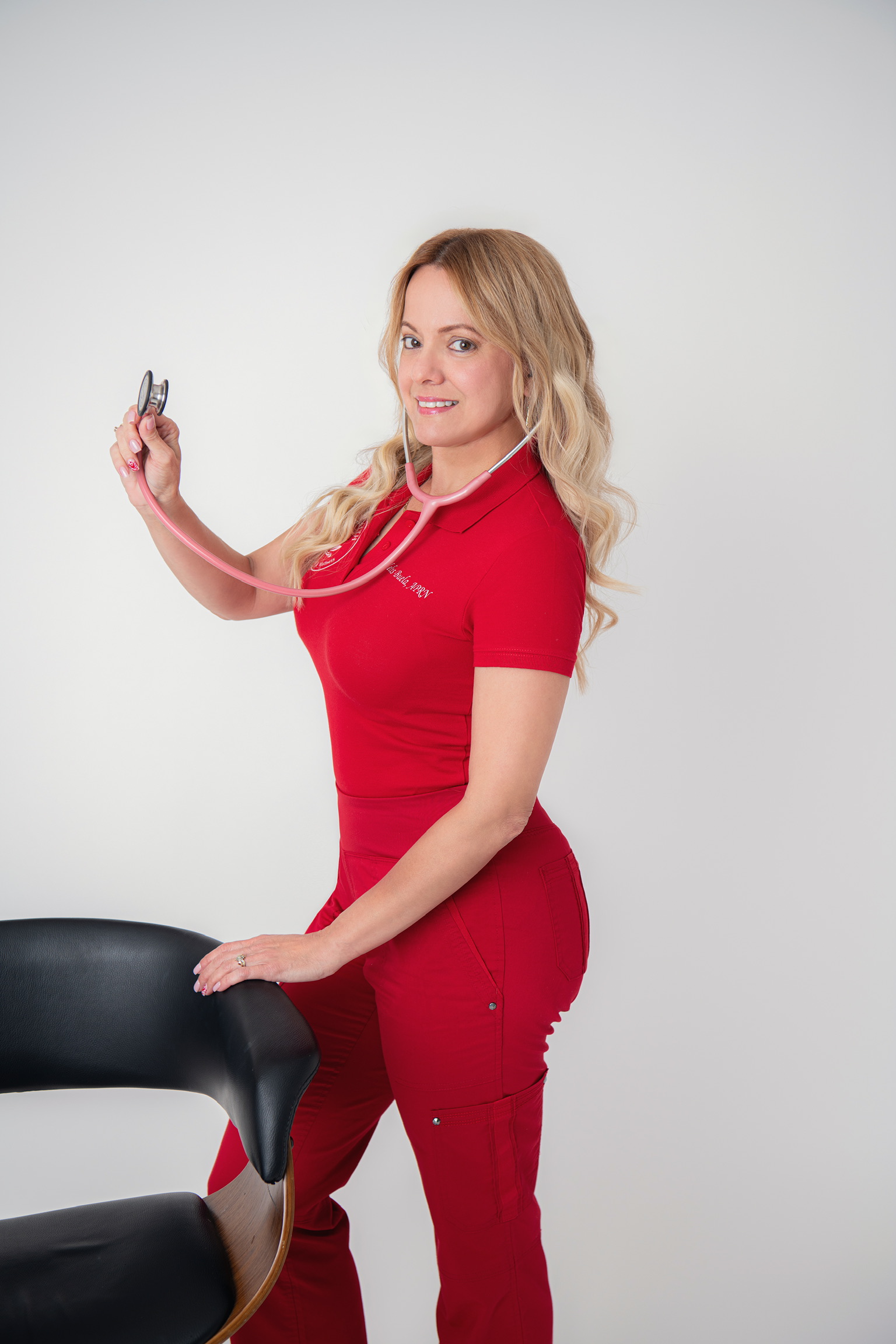
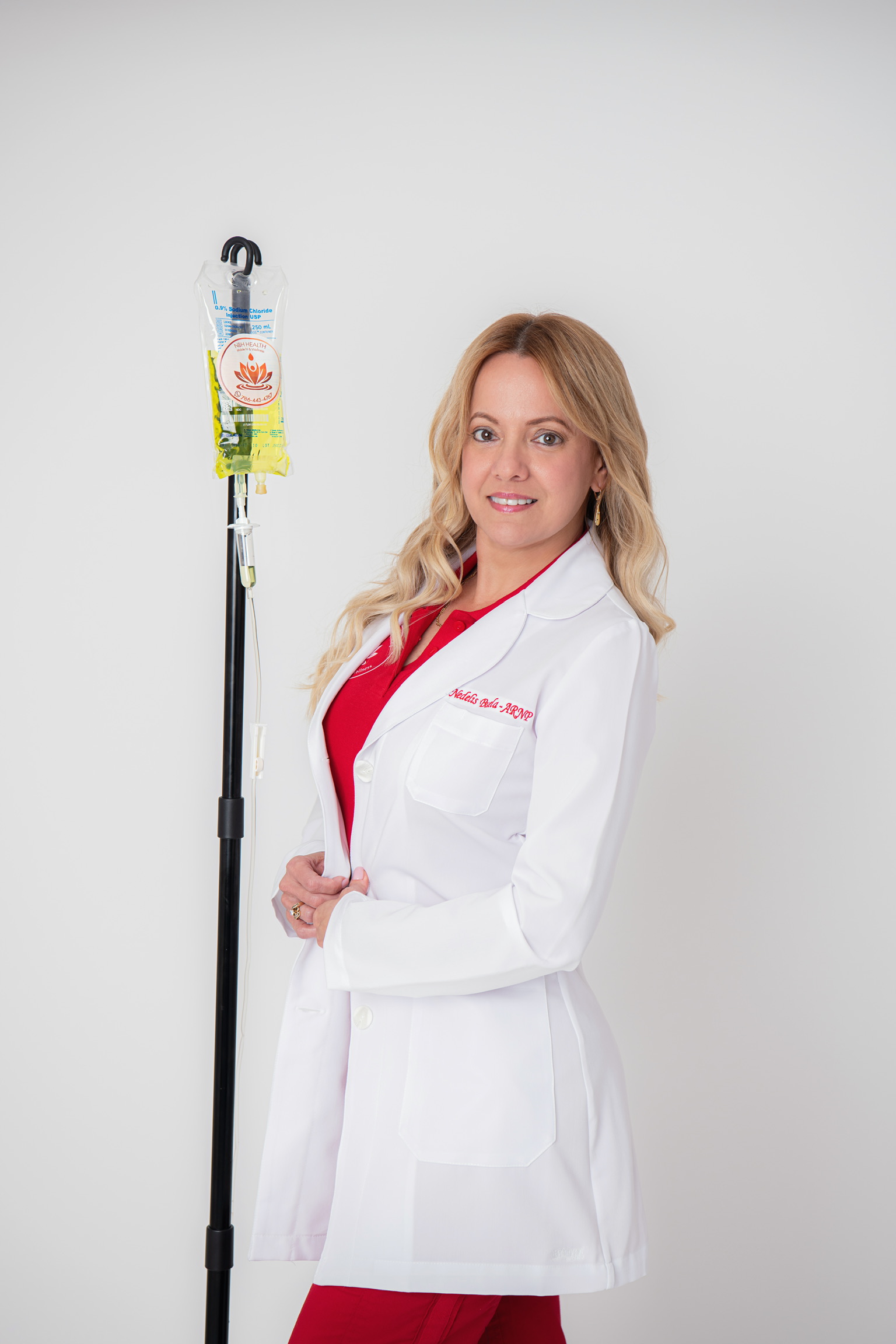
At NBH Health, your provider is Nedelis Buela, APRN, AGNP — an Adult-Gerontology Nurse Practitioner whose training focuses on adults 18 and older. Within the scope of Florida law, she performs physical exams, orders and interprets lab work and screenings, identifies risk factors, and provides guidance on prevention and wellness.
She is not a specialist in every organ system, and a physical exam is not a substitute for specialist screenings when they are indicated — a colonoscopy, a mammogram, a cardiac stress test. But she serves as your first line of prevention, identifying when those specialist screenings are appropriate and coordinating the referrals.
What a physical exam typically includes
A physical exam is built around your age, history, and risk factors, but commonly includes:
- A review of your medical history, medications, and family history.
- Vital signs — blood pressure, heart rate, temperature, and breathing rate.
- A head-to-toe physical examination.
- A discussion of your habits — sleep, diet, exercise, alcohol, and tobacco.
- Age- and risk-appropriate screenings and lab work.
- Guidance on prevention, lifestyle, and any concerns you raise.
The exam is tailored to you. A 25-year-old and a 65-year-old have different screening needs, and your provider adjusts the exam accordingly rather than running the same checklist for everyone.
Why a physical exam matters
Many serious health conditions develop without symptoms. High blood pressure is often called the silent killer because it rarely causes symptoms until it has done damage. High cholesterol, prediabetes, and early thyroid disorders are similar — they can progress for months or years before you feel anything. A physical exam, with the right lab work, is often where these are first caught.
Beyond detection, a physical establishes your baseline. Knowing your normal blood pressure, your typical lab values, and your overall health status gives your provider a reference point. If something shifts in the future, she can see the change rather than guessing whether a number is new or has always been that way.
How a physical fits with your ongoing care
One advantage of a nurse-practitioner-led practice is that a physical exam does not happen in isolation. The same provider who does your physical can manage a chronic condition if one is discovered, guide a medical weight-loss plan if your labs suggest it would help, or coordinate wellness services like IV therapy or aesthetic treatments that fit your goals. That integration means your physical becomes the starting point for a coordinated health plan, not a one-time event.
Who physical exams are for
Physical exams tend to fit adults who:
- Want to establish a baseline for their health.
- Are due for an annual or preventive exam.
- Have not had a physical in a while and want to know where they stand.
- Have a family history of certain conditions and want proactive screening.
- Want their preventive care coordinated with their ongoing primary care.
Even if you feel well, a physical is valuable. Feeling well does not mean nothing is developing silently, and prevention is almost always simpler than treatment.
What a physical exam does not cover
A physical exam is not an emergency visit, a specialist consultation, or a substitute for indicated specialist screenings. If your physical reveals something that needs a specialist — a suspicious finding that requires a cardiologist, a screening that requires a gastroenterologist — your provider refers you and coordinates the next step.
It is also not a one-time fix. A physical is a snapshot of today; your health changes over time, and regular exams — annually or as recommended based on your age and risk — are how you track those changes.
How telemedicine fits into physical exams
A full physical exam requires an in-person visit, because it includes a hands-on examination and often lab work. What telemedicine can handle is the follow-up — reviewing lab results, discussing the findings from your physical, and planning next steps. For Florida residents, that follow-up can often be done by secure video, so you do not have to return to the office just to hear your results.
Your provider tells you when an in-person visit is needed and when a video follow-up is appropriate.
If you are due for a physical exam or want to establish a baseline for your health, NBH Health offers physical exams for adults 18 and older in Pembroke Pines, with at-home visits across Broward and Miami-Dade and telemedicine follow-ups for Florida residents. Request an appointment online or call / WhatsApp (786) 443-4767. Beyond the Health.
Frequently Asked Questions
What does a physical exam include?
A physical typically includes a review of your history and medications, vital signs, a head-to-toe examination, a discussion of your habits, and age- and risk-appropriate screenings and lab work. The exam is tailored to your age, history, and risk factors rather than a one-size-fits-all checklist.
How often should I get a physical?
For most adults, an annual physical is a good baseline. Your provider may recommend a different cadence based on your age, risk factors, and any chronic conditions. Even if you feel well, regular exams help catch silent issues like high blood pressure or elevated cholesterol early.
Do I need to fast before my physical?
If your physical includes lab work that requires fasting — like a lipid panel or blood glucose — the practice tells you when you book. For a general physical without fasting labs, no special preparation is needed. If you are not sure, ask when you schedule.
Can my physical be done at home?
Yes, at-home physical exams are available across Broward and Miami-Dade. A licensed provider comes to you with the necessary equipment. Lab follow-ups and result reviews can often be done by telemedicine for Florida residents.
Will my physical include lab work?
Often, yes. Your provider recommends lab work based on your age, history, and risk factors — commonly a lipid panel, blood glucose, and a basic metabolic panel. You receive a personalized quote for any labs before they are done.
What if my physical finds something concerning?
If your physical reveals something that needs follow-up — a lab abnormality, a finding that needs a specialist — your provider discusses it with you, explains the next steps, and coordinates any referrals. She does not simply hand you a result and send you on your way.
NBH Health
Pembroke Pines · Broward & Miami-Dade · Telemedicine
Nedelis
Nedelis Buela, APRN, AGNP
Adult-Gerontology Nurse Practitioner · NBH Health