Annual Physical vs. Sick Visit vs. No Preventive Care: How to Choose
2026-10-04 · 8 min read
In this article
Choosing between an annual physical exam, an as-needed sick visit, and skipping preventive care altogether depends on what you need: a baseline, a reaction, or nothing at all. An annual physical gives you a proactive, whole-person evaluation that catches silent issues early; a sick visit addresses a specific concern when it arises; skipping preventive care means waiting until something goes wrong to seek help. NBH Health in Pembroke Pines offers physical exams for adults 18 and older, in-office, at home, and with telemedicine follow-ups across Broward and Miami-Dade.
There is no single right approach for everyone, but the trade-offs matter. Understanding them helps you make a choice that protects your long-term health rather than just reacting to problems.
How the three approaches differ
Each approach answers a different question. Understanding the trade-offs helps you choose the right one for your situation.
| Approach | Annual physical | Sick visit as needed | No preventive care |
|---|---|---|---|
| Timing | Proactive, scheduled | Reactive, when ill | None |
| What it catches | Silent issues early | Acute concerns only | Nothing until symptoms |
| Baseline | Established and tracked | Not established | Not established |
| Best for | Long-term health | Acute concerns | — |
An annual physical is built around prevention. It catches things before you feel them, establishes your baseline, and creates a relationship with a provider who knows your history. A sick visit is built around reaction — something is wrong, and you want it addressed. Skipping preventive care is, effectively, waiting — and waiting often means that when a problem finally surfaces, it is more advanced and harder to treat.
When an annual physical makes sense
An annual physical tends to be the right choice for almost every adult, because prevention is almost always simpler, safer, and less expensive than treatment. Common reasons to schedule one include:
- You want to establish a baseline for your health.
- You are due for age- or risk-appropriate screenings.
- You have a family history of certain conditions and want proactive monitoring.
- You have not had a physical in a while and want to know where you stand.
- You want your preventive care coordinated with your ongoing primary care.
Even if you feel well, a physical is valuable. Many serious conditions — high blood pressure, elevated cholesterol, prediabetes — develop silently, and a physical with the right lab work is often where they are first caught.
When a sick visit makes sense
A sick visit is the right choice when you have a specific, new concern — a cold, a rash, a UTI, a minor injury. It is reactive and focused, addressing the problem at hand. It is not a substitute for a physical, because it does not establish your baseline or screen for silent issues.
If you have an established primary care relationship, a sick visit also means seeing a provider who already knows your history. But even with that relationship, a sick visit is not a physical — the two serve different purposes, and both matter.
When skipping preventive care is a mistake
Skipping preventive care is, in effect, choosing to wait. The problem with waiting is that many health conditions do not announce themselves until they are advanced. High blood pressure rarely causes symptoms until it has damaged your heart, your kidneys, or your blood vessels. Prediabetes often has no symptoms until it becomes diabetes. A thyroid disorder can simmer for months before you feel it.
By the time these conditions cause symptoms, they are often harder to treat. Prevention — through a physical exam and appropriate lab work — catches them early, when adjustments are simpler and outcomes are better. Skipping preventive care does not save you trouble; it often delays it and makes it worse.
What affects what your physical includes
What your physical includes depends on several factors:
- Your age — screening needs change over time.
- Your family history — a family history of heart disease, diabetes, or cancer shifts your screening plan.
- Your personal history — existing conditions, past lab results, and current medications.
- Your habits — sleep, diet, exercise, alcohol, and tobacco use.
- Your concerns — anything you want addressed during the visit.
Two adults of the same age may need very different physicals. That is why a physical at NBH Health is tailored to you, not run from a generic checklist.
How a physical connects to your ongoing care
One reason the choice between an annual physical, sick visits, and no preventive care matters is that your health is a continuum, not a series of isolated events. A physical that establishes your baseline makes every future visit more useful — your provider can see what has changed rather than guessing. A physical that catches a silent issue early turns a future crisis into a manageable condition. And a physical that builds a relationship with a provider means that when you do have a sick visit, you are seeing someone who already knows you.
That connection is something episodic care — urgent care, one-off visits, skipping prevention — cannot offer.
Questions to ask before your physical
A few questions help you get more from your physical:
- What screenings are appropriate for my age and risk factors?
- What lab work do you recommend, and what will it tell us?
- Are there habits I should focus on before the visit?
- How often should I return based on my health?
- What should I watch for between visits?
A good provider welcomes these questions. A physical is a conversation, not just an exam, and the more you engage with it, the more valuable it becomes.
If you are due for a physical exam or want to establish a baseline for your health, NBH Health offers physical exams for adults 18 and older in Pembroke Pines, with at-home visits across Broward and Miami-Dade and telemedicine follow-ups for Florida residents. Request an appointment online or call / WhatsApp (786) 443-4767. Beyond the Health.
Frequently Asked Questions
Is an annual physical really necessary if I feel fine?
Yes. Many serious conditions — high blood pressure, elevated cholesterol, prediabetes — develop silently, without symptoms, until they are advanced. A physical with appropriate lab work is often where these are first caught, when they are simpler to treat. Feeling well does not mean nothing is developing.
Can I just go to urgent care when I'm sick instead?
You can, but urgent care is reactive — it addresses a specific concern and moves on. It does not establish your baseline, screen for silent issues, or build a relationship with a provider who knows your history. An annual physical and sick visits serve different purposes, and both matter.
What's the difference between a physical and a sick visit?
A physical is proactive and whole-person — it reviews your overall health, establishes a baseline, and screens for silent issues. A sick visit is reactive and focused — it addresses a specific new concern. They serve different purposes, and both are part of good primary care.
How is my physical tailored to me?
Your physical is adjusted based on your age, family history, personal history, habits, and concerns. A 25-year-old and a 65-year-old have different screening needs. Your provider builds the exam around you rather than running the same checklist for everyone.
Will my physical results connect to my ongoing care?
Yes. The same provider who does your physical can manage a chronic condition if one is discovered, guide a weight-loss plan if your labs suggest it, or coordinate wellness services. Your physical becomes the starting point for a coordinated health plan, not a one-time event.
Does NBH Health accept insurance for physicals?
No. The practice is self-pay / direct access. You receive a personalized quote before care, including any lab work. You can keep your insurance for specialist visits, imaging, hospitalizations, and emergencies.
NBH Health
Pembroke Pines · Broward & Miami-Dade · Telemedicine
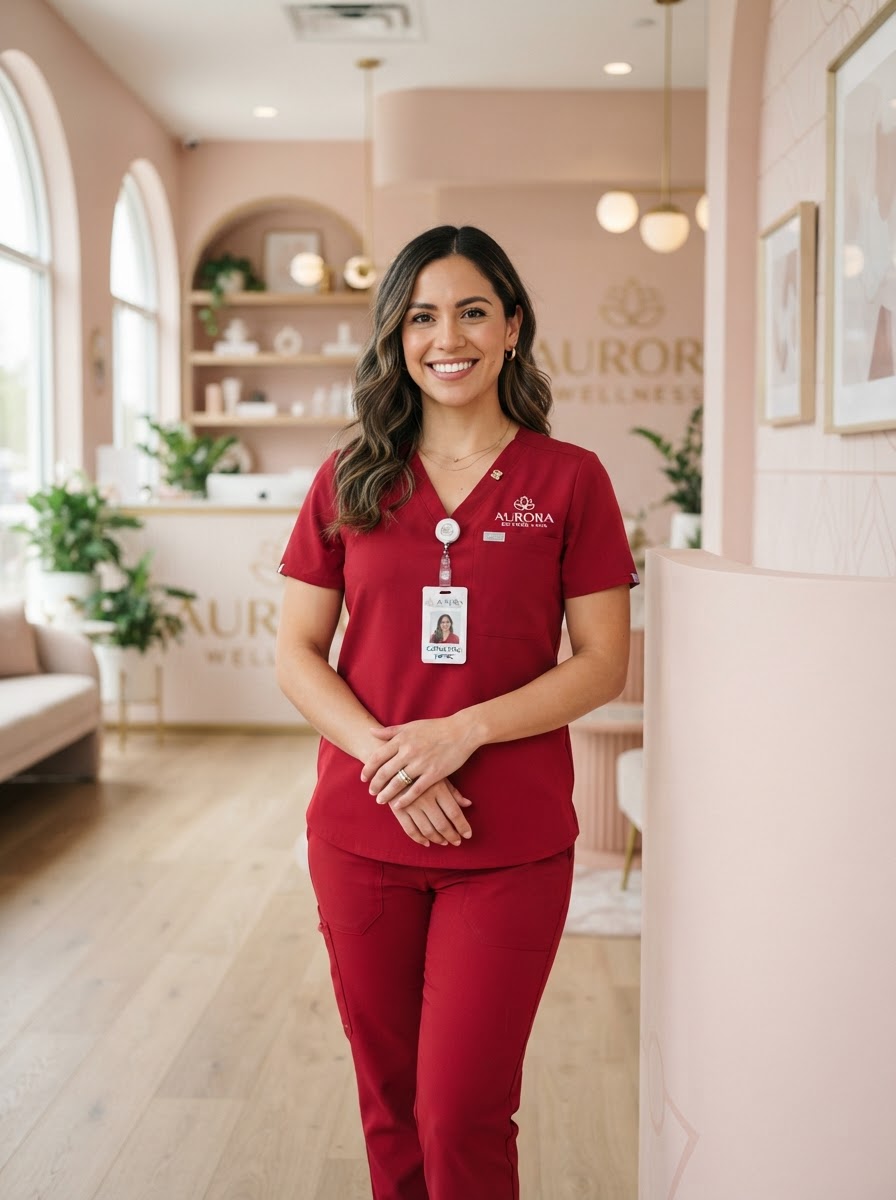
Nedelis
Nedelis Buela, APRN, AGNP
Adult-Gerontology Nurse Practitioner · NBH Health