Your First Self-Pay Visit: What to Expect and How to Prepare
2026-09-20 · 7 min read
In this article
- 1. How to prepare for your first visit
- 2. What happens during the visit
- 3. How long a visit generally takes
- 4. What sensations and symptoms are normal
- 5. How follow-ups and ongoing care work
- 6. South Florida considerations
- 7. How at-home visits work
- 8. How to prepare your space for an at-home visit
- 9. What records to request before your first visit
- 10. How ongoing care stays connected
- 11. What happens after hours or between visits
- 12. How to make the most of your visits
- 13. When to schedule a follow-up vs. when to wait
Your first self-pay primary care visit is a focused conversation with a licensed nurse practitioner who reviews your history, listens to your concerns, and builds a plan with you — with the cost quoted before anything beyond the booked visit happens. At NBH Health in Pembroke Pines, a first visit typically covers your health history, current medications, your goals, and a decision about whether labs, a treatment plan, or a follow-up are needed. Visits are available in-office, at home across Broward and Miami-Dade, or by telemedicine for Florida residents.
Knowing what to bring and what to expect makes the visit more useful and helps your provider give you better recommendations. Here is how to prepare and what happens step by step.
How to prepare for your first visit
A little preparation goes a long way. Before your appointment, gather the following:
- A list of your current medications, including doses and how often you take them.
- Any recent lab results or records you have, if relevant to your concern.
- A short note of your main concern, when it started, and what you have tried so far.
- Your pharmacy name and location, in case a prescription is needed.
- Questions you want to ask — write them down so you do not forget.
If your visit includes labs that require fasting, the practice tells you when you book. For a general first visit, no fasting is usually needed. If you are not sure, ask when you schedule.
What happens during the visit
The visit itself is unhurried. Your provider, Nedelis Buela, APRN, AGNP, starts by reviewing your history and listening to why you came in. She asks follow-up questions, does any exam that is relevant, and talks through what she is finding as she goes.
Unlike a rushed clinic visit, the goal is a real conversation. If labs would help, she explains which ones and why. If a medication change makes sense, she discusses it with you. If your concern is better handled by a specialist, she says so and helps with the referral. You are part of the decision, not just the recipient of it.
How long a visit generally takes
Plan for enough time to actually talk. A first visit or comprehensive evaluation generally runs longer than a quick acute follow-up, because your provider is building a picture of your health, not just addressing one symptom. You will not be rushed out, but you also will not be kept longer than needed. Exact timing depends on your concerns and whether labs or an exam are involved.
What sensations and symptoms are normal
For a standard primary care visit, there is little to recover from. If you have labs drawn, you may feel a brief pinch and perhaps a small bruise at the draw site. If you have an exam, it is routine and non-invasive.
What warrants a call after your visit:
- New or worsening symptoms after starting a treatment.
- A reaction to a prescribed medication.
- Questions about your plan that you did not think of during the visit.
Because self-pay patients have direct access to their provider, you can message Nedelis between visits rather than waiting for the next appointment.
How follow-ups and ongoing care work
Primary care is not a one-time event. After your first visit, your provider may recommend a follow-up — to review labs, check on a treatment, or adjust a plan. Many follow-ups can be done by telemedicine, so you do not have to drive to the office for a quick check-in.
For chronic conditions like diabetes, hypertension, or high cholesterol, ongoing care means scheduled follow-ups and lab reviews built into your plan. Your provider tracks your progress, adjusts as needed, and stays reachable between visits. That continuity is the main advantage of self-pay primary care over urgent care.
South Florida considerations
Living in South Florida shapes a few practical details. Heat and humidity can affect hydration, blood pressure readings, and how you feel during the day — worth mentioning at your visit. If you travel often or split your time, telemedicine follow-ups can keep your care consistent as long as you are a Florida resident. And if you prefer a visit in Spanish, care is fully bilingual.
How at-home visits work
If coming to the office is difficult, at-home visits are available across Broward and Miami-Dade for services like lab draws, IV therapy, and certain follow-ups. A licensed clinician comes to your home or office with sterile, single-use supplies. You prepare a comfortable, well-lit space, and the visit proceeds much as it would in-office. Bookings are by appointment; the practice does not promise arrival windows or same-day service.
How to prepare your space for an at-home visit
If you book an at-home visit, a little setup helps it go smoothly. Choose a clean, well-lit area with a flat surface — a dining table or kitchen counter works well — and a comfortable chair. Have your medication list, photo ID, and any recent lab results nearby. If a lab draw is part of the visit, confirm whether fasting is needed when you book. Pets are fine, but a calm, quiet space helps the clinician focus and helps you relax.
For telemedicine, the preparation is even simpler: find a private, quiet spot with good lighting and a stable internet connection, have your medications and questions ready, and test your camera and microphone before the visit starts.
What records to request before your first visit
If you have seen another provider recently, requesting a few records ahead of time makes your first self-pay visit more productive. The most useful items to bring include:
- A summary of your medical history and chronic conditions.
- Current medication names, doses, and frequencies.
- Recent lab results (within the last 6–12 months) if available.
- Any imaging reports relevant to your concern.
- A list of allergies and past surgeries.
You do not need all of these to be seen — your provider can start with whatever you have and order what is missing. But having them speeds up the process and avoids repeating tests you recently completed.
How ongoing care stays connected
After your first visit, the relationship is what makes self-pay primary care different from urgent care. Your provider remembers your history, tracks your labs over time, and adjusts your plan as your health changes. When you message with a question between visits, she already has context — she does not start from scratch each time.
For chronic conditions, that continuity is especially valuable. Diabetes, hypertension, and high cholesterol all benefit from consistent monitoring and small, timely adjustments rather than sporadic crisis visits. Your provider builds a follow-up schedule into your plan, reviews every lab result with you in plain language, and stays reachable when something changes.
What happens after hours or between visits
A common concern is what happens when you have a question outside of a scheduled visit. Because self-pay patients at NBH Health have direct access to their provider, you can message Nedelis between visits for follow-up questions — about a medication, a symptom, or a next step — rather than waiting for the next appointment or navigating a phone tree.
For matters that are not emergencies but cannot wait — a worsening symptom, a reaction to a medication — reach out directly. Your provider can tell you whether a telemedicine visit, an in-office visit, or a trip to urgent care or the emergency room is the right next step. For true emergencies, always call 911 first; do not wait for a message back.
How to make the most of your visits
A few habits help you get more from each self-pay visit. Write down your questions beforehand, in order of priority, so the most important ones get addressed even if time runs short. Be honest about your habits — sleep, diet, alcohol, supplements — because that context shapes recommendations. Bring your home blood pressure readings or symptom logs if you have them, since real data is more useful than a general impression. And ask for clarification whenever a term or a recommendation is not clear; a good provider would rather explain than have you leave confused.
After the visit, take a moment to note any next steps — labs to schedule, medications to start, follow-ups to book — while they are fresh. If you think of a question later, message your provider rather than letting it pile up until the next appointment.
When to schedule a follow-up vs. when to wait
Not every concern needs a follow-up visit, and part of good primary care is helping you tell the difference. Your provider will recommend a follow-up schedule based on your condition and plan — for a chronic condition, that might be every few months with labs; for an acute issue, a brief check-in after treatment to confirm you are healing. For general wellness, an annual visit is common.
Between those scheduled visits, reach out if something changes — a new symptom, a medication side effect, a question about your plan. You do not need to wait for your next appointment if a concern arises, and you do not need to book a full visit for a quick question that can be handled by message or a short telemedicine check-in.
If you want a provider who takes time to understand your health goals, NBH Health offers self-pay primary care, medical weight loss, and IV therapy in Pembroke Pines, at home across Broward and Miami-Dade, and by telemedicine for Florida residents. Request a consultation online or call / WhatsApp (786) 443-4767. Beyond the Health.
Frequently Asked Questions
What should I bring to my first visit?
A list of your current medications with doses, any recent lab results, a short note of your main concern and when it started, your pharmacy information, and any questions you want to ask. If fasting is needed for labs, the practice tells you when you book.
How long does a first visit take?
A first or comprehensive visit generally runs longer than a quick acute follow-up, because your provider is reviewing your full history and building a plan. Exact timing depends on your concerns and whether labs or an exam are involved.
Can my follow-up be by telemedicine?
Yes. Many follow-ups — lab reviews, treatment check-ins, chronic condition management — can be done by video for Florida residents. Your provider tells you when an in-person visit or labs are needed.
Can I message my provider after the visit?
Yes. Self-pay patients have direct access to Nedelis Buela, APRN, AGNP, for follow-up questions between visits. If you have a reaction to a medication or new symptoms, reach out rather than waiting for the next appointment.
Are at-home visits available?
Yes, across Broward and Miami-Dade, for services like lab draws, IV therapy, and certain follow-ups. A licensed clinician comes to your home or office by appointment. The practice does not promise arrival windows or same-day service.
Is care available in Spanish?
Yes. NBH Health is fully bilingual. You can have your visit in English or Spanish, whichever you are more comfortable with.
NBH Health
Pembroke Pines · Broward & Miami-Dade · Telemedicine
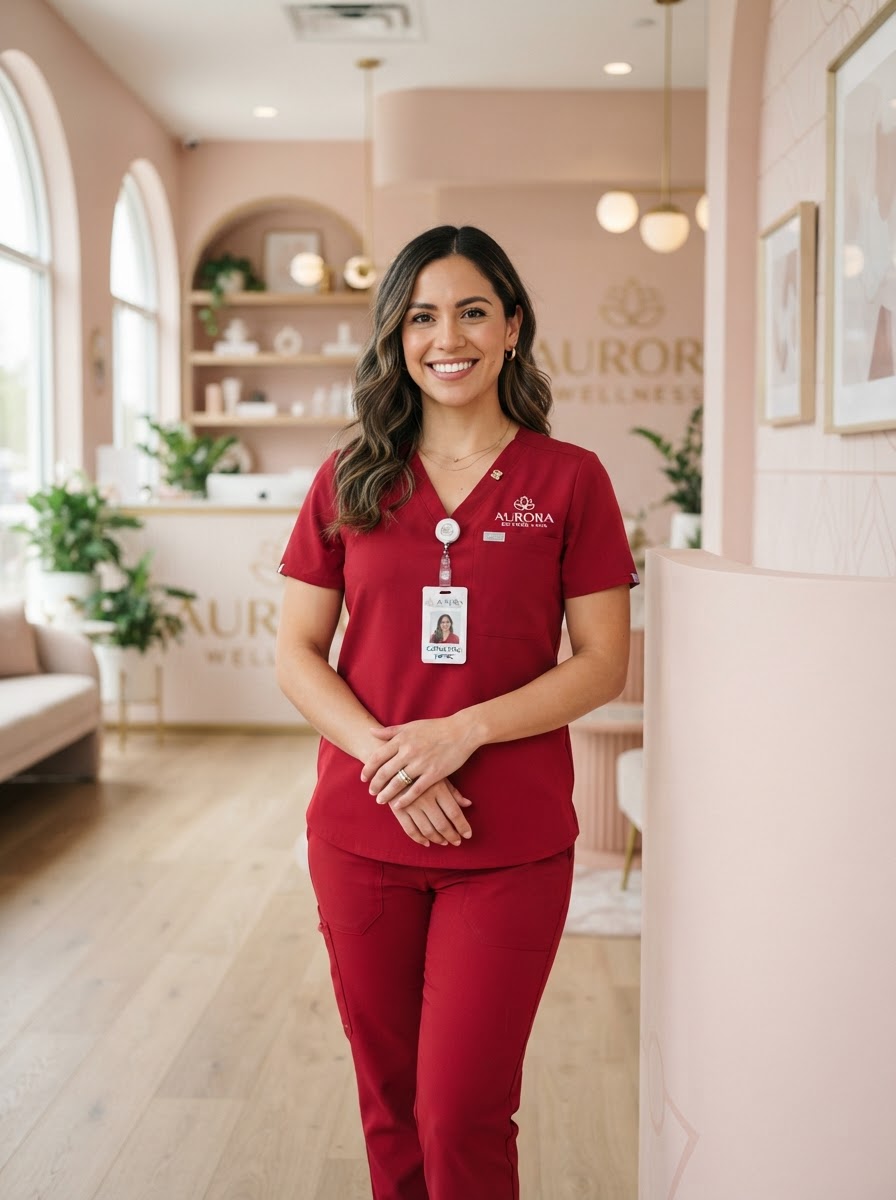
Nedelis
Nedelis Buela, APRN, AGNP
Adult-Gerontology Nurse Practitioner · NBH Health